
Diego Armando Maradona is more than a football name; he is a global cultural reference. For a FIFA World Cup website, Maradona is one of the strongest evergreen topics because every tournament cycle brings a new generation of fans back to the same questions: how good was he, why is Mexico 1986 still discussed, how much money did he make, and what kind of life did he live away from the pitch? The answer is complicated, dramatic and unforgettable, which is exactly why Maradona content continues to perform for search.
Born in Villa Fiorito, a poor neighborhood on the outskirts of Buenos Aires, Maradona became the symbol of football genius emerging from hardship. His career began at Argentinos Juniors, where his balance, acceleration and left-foot control made him famous before he was old enough to drive. He later moved to Boca Juniors, Barcelona, Napoli, Sevilla and Newell’s Old Boys, but his story is not measured only by transfers. It is measured by how strongly he changed the emotional temperature of every club he touched.
His greatest World Cup came in 1986. Argentina arrived in Mexico with a strong squad, but Maradona became the tournament’s central force. He scored five goals, supplied five assists and influenced almost every attacking phase. FIFA has highlighted a historic statistic that still separates him from nearly everyone else: Maradona is the only man to record five goals and five assists in a single World Cup. For content editors, that stat is gold because it turns a broad legend into a specific, shareable fact.
The quarter-final against England remains one of the most famous matches in football history. In four minutes, Maradona produced two moments that revealed the extremes of his legacy. The first was the controversial “Hand of God” goal. The second was the “Goal of the Century,” a solo run through England’s midfield and defense before beating the goalkeeper. One moment brought argument; the other brought awe. Together, they made Maradona impossible to ignore.
At club level, his Napoli years created a different kind of myth. Napoli was not the richest club in Italy when Maradona arrived, but he helped transform the team into a champion. The club won Serie A titles in 1986-87 and 1989-90, and those victories still shape the identity of the city. In Naples, Maradona was not treated as a visiting superstar. He became a civic icon, a symbol of southern Italian pride against the traditional power of the north.
Maradona’s achievements include the 1986 FIFA World Cup, a runner-up finish at Italia 1990, domestic success in Argentina, Spain and Italy, and individual recognition as one of the greatest players ever. He also coached Argentina at the 2010 World Cup. His coaching career did not match his playing career, but it extended his presence in global football and kept his personality at the center of the sport.
Annual income is the hardest part of Maradona’s financial profile because he died in 2020 and many figures are not publicly audited. During his playing peak, reports described large club salaries, sponsorship contracts and appearance fees, especially around Napoli and Argentina. After retirement, his income came from coaching jobs, ambassador roles, events, image rights and media attention. For a clean AdSense article, avoid claiming a precise “current annual income.” A safer line is: Maradona no longer has active personal earnings, but his estate and image rights may continue to generate commercial value, depending on legal arrangements.
Net worth estimates vary widely because Maradona’s finances were complicated by tax disputes, spending, family claims and uncertain asset records. Some reports after his death suggested a surprisingly low liquid fortune, while others discussed valuable properties, cars, memorabilia and image rights. This is why a responsible article should say “reported estate value is disputed” rather than presenting one number as fact.
Property reports around Maradona mention homes in Argentina and other assets connected to his family and career, but the exact market value of those properties is not consistently documented. Public discussion after his death also included luxury cars, jewelry and memorabilia. For SEO, “Maradona properties” is a useful heading; for accuracy, the paragraph should state that values are estimates and may not reflect legal ownership or estate liabilities.
His lifestyle was famously intense. Maradona loved attention, family, music, nightlife, luxury gifts and emotional public appearances. He lived like a superstar before football had the modern salary structure of today. That lifestyle made him charismatic but also vulnerable. His battles with addiction, health problems and legal issues are part of the public record, but they should be handled respectfully. A family-safe sports website should avoid sensational language and focus on how fame shaped his life.
Why does Maradona still matter for World Cup fans? Because he represents the idea that one player can bend a tournament around his will. Modern football is more tactical, physical and data-driven, yet Mexico 1986 remains the reference point for individual dominance. When fans compare Lionel Messi, Pele, Cristiano Ronaldo or Ronaldo Nazario, Maradona is always in the conversation because his peak had a cinematic quality.
For publishers, the best evergreen angle is not simply “Maradona net worth.” The stronger angle is “Maradona’s complete football and lifestyle legacy.” That allows you to combine search demand with authority, balancing achievements, money, property, family and myth. The result is an article that can rank during every World Cup, Copa America, Argentina anniversary or debate about the greatest footballer of all time.
A useful publisher angle is to compare Maradona's era with today's football economy. He played before Instagram, player-owned media channels and the present salary boom, yet he generated attention at a level similar to modern superstars. That makes his financial story more interesting than a simple number. The money around him was large for its time, but the systems that protect athletes today were weaker, and public records were less transparent.
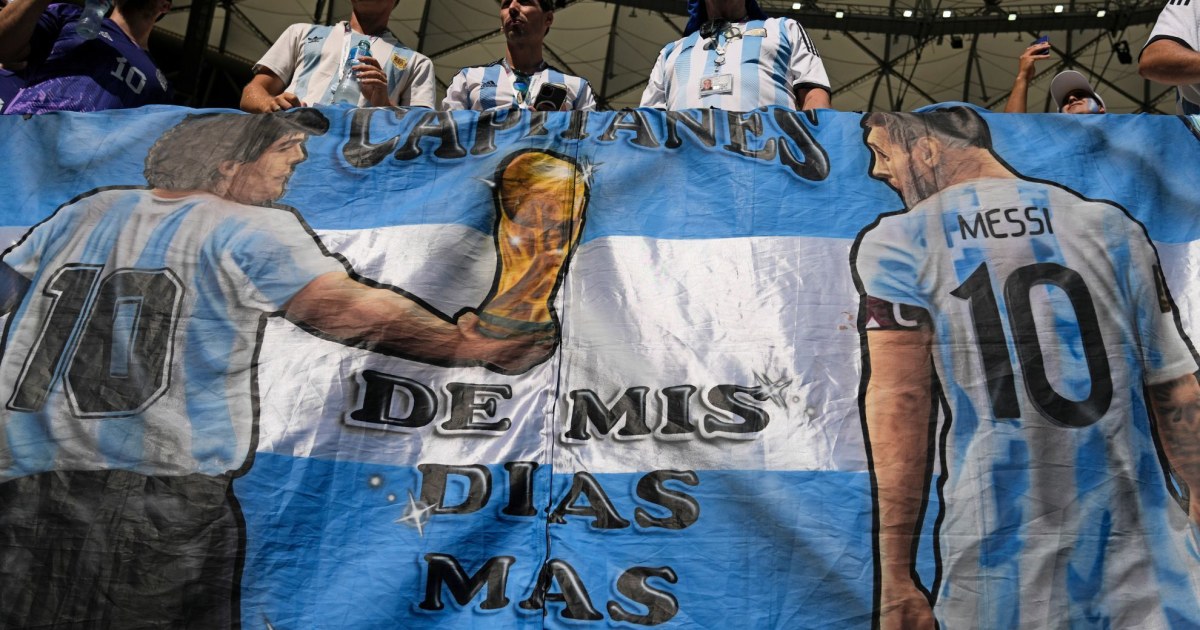
Another evergreen angle is Argentina identity. Maradona and Messi are not only two players; they are two national stories. Maradona represents rebellion, street football and emotional defiance. Messi represents consistency, mastery and eventual redemption. Linking the two in internal site content can create strong topical authority around Argentina's World Cup history.
Approximate article word count: 1036 words
Source
FIFA Maradona tribute; Britannica biography; estate-planning/media reports on estate uncertainty.