
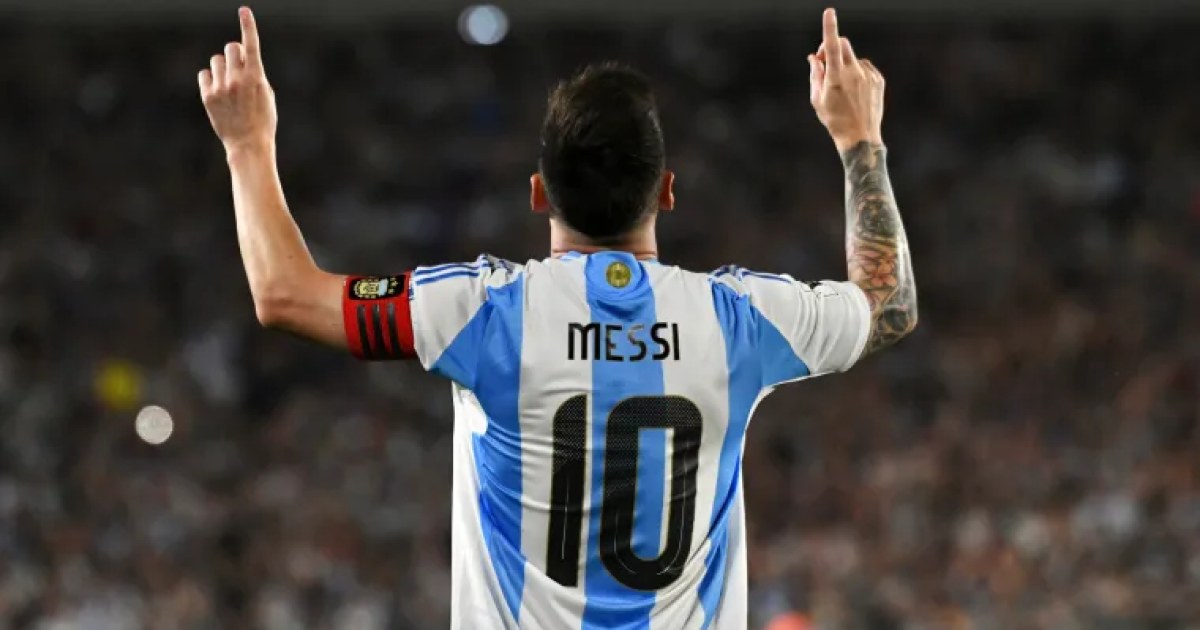
Lionel Messi is the modern footballer who turned genius into a long-term system. Unlike some legends whose peaks are short and explosive, Messi’s greatness has been built across two decades of elite output, constant reinvention and historic trophies. For a FIFA World Cup website, he is one of the safest evergreen topics because his name connects club football, Argentina, MLS, global sponsorships, lifestyle content and debates about the greatest player of all time.
Born in Rosario, Argentina, Messi moved to Barcelona as a teenager and grew inside La Masia, the club’s academy. His early story is powerful because it combines talent with vulnerability: a small left-footed boy with growth-hormone treatment needs who became the face of one of the greatest club teams ever assembled. At Barcelona, Messi developed from a right-sided dribbler into a false nine, then into a playmaker, scorer and complete attacking controller.
His Barcelona achievements are enormous. Messi won multiple La Liga titles, UEFA Champions League trophies, domestic cups and individual awards. His peak years under Pep Guardiola changed tactical football. The Barcelona side of Xavi, Andres Iniesta, Sergio Busquets and Messi showed how possession, pressing and positional play could dominate Europe. Messi was not just the finisher; he was the player who connected the entire attack.
For many years, the only missing piece was the FIFA World Cup. Argentina reached the 2014 final but lost to Germany. Messi faced criticism despite carrying Argentina deep into tournaments. That story changed in Qatar 2022. As captain, he led Argentina through pressure, shock, recovery and glory. The final against France became one of the greatest matches ever played, and Argentina’s victory gave Messi the World Cup chapter that many fans felt his career deserved.
Messi’s international achievements also include the Copa America and the Finalissima. These trophies mattered because they ended the argument that he could not translate club greatness to Argentina. His leadership style is quieter than Maradona’s, but his influence is just as deep. He sets tempo through touches, positioning and decision-making rather than constant shouting.
Current annual income must be updated regularly, but the most reliable public benchmark is Forbes-style reporting. In the 2025 highest-paid soccer player list reported by Reuters from Forbes data, Messi ranked second among footballers with estimated earnings of about $130 million. Those figures typically include salary, bonuses, endorsements and commercial arrangements before taxes and agent fees. For 2026 publication, editors should verify the latest Forbes annual list before posting.
Messi’s income sources include Inter Miami compensation, Adidas, global sponsorships, licensing, his clothing brand, hospitality investments and other business activity. His move to Inter Miami in 2023 was not only a transfer; it was a market event. It boosted MLS visibility, ticket demand, shirt sales and global attention on American soccer before the 2026 FIFA World Cup in the United States, Canada and Mexico.
Property and investment coverage should be written carefully. Messi has been widely associated with homes in Barcelona, Rosario and South Florida, while his hospitality interests have included the MiM Hotels brand in Spain and Andorra. Public estimates of his real-estate portfolio vary, and not every article separates personal homes, investment properties and business holdings. A safe editorial approach is to say that Messi is publicly linked with luxury real estate and hospitality investments, while exact property values are not independently confirmed.
His lifestyle is luxurious but controlled. Compared with more flamboyant stars, Messi’s public image is family-centered and low-key. He is often seen with his wife Antonela Roccuzzo and their children, and his brand is built around consistency, humility and elite performance. That image is commercially valuable because it makes him attractive to family-friendly brands and global advertisers.
The financial side of Messi's profile should always be separated into three categories: football compensation, endorsements and investments. Football compensation changes with contracts; endorsements depend on brand partnerships; investments may include private entities that do not publish full accounts. This structure helps readers understand the difference between income and net worth. It also keeps the article cleaner for advertisers because it avoids exaggerated claims.
For World Cup 2026, Messi content has an additional traffic opportunity. Even if his playing role changes with age, his connection to Argentina, Inter Miami and North American soccer will remain a major story. Articles can be refreshed with tournament participation, squad role, captaincy, fan demand and ticket-interest angles without rewriting the entire evergreen profile.
Another strong section is Messi's records list. Rather than overloading the article with every statistic, choose records that connect to user intent: Ballon d'Or wins, World Cup captaincy, Argentina trophies, Barcelona scoring history and Inter Miami impact. This makes the article easier to skim and gives search engines clear topical signals. Use a table only when you can maintain it accurately.
A final search-friendly angle is the contrast between Messi's quiet personality and massive commercial power. He does not need controversy to dominate attention. His value comes from trust, skill and a career narrative that parents, young players and advertisers can all understand.
Messi’s car collection, private travel and luxury homes are popular search topics, but they should not overshadow the central football story. The strongest lifestyle angle is balance: he lives as a global superstar but presents himself as a private family man. That contrast helps explain why his fan base crosses national and club boundaries.
From an SEO perspective, Messi content should use subtopics like “Messi career,” “Messi achievements,” “Messi annual income,” “Messi properties” and “Messi lifestyle.” It is also smart to include World Cup-related internal links: Argentina 2022, Qatar final, Messi vs Maradona, Messi records and World Cup 2026 legacy. These clusters keep visitors moving across the site.
Messi’s legacy is no longer about whether he needs one more trophy. It is about how long his influence will last. He changed Barcelona, restored Argentina to the top of the world, raised the profile of MLS and became a commercial giant without changing his soft-spoken public character. For World Cup readers, he is the bridge between classic football romance and the modern global sports economy.
Source and fact-checking notes
Forbes/Reuters income reporting; FIFA/Britannica career context; Inter Miami/MLS context.